
Missouri's Marijuana Laws: What the Proposed Changes Actually Mean
Missouri's Marijuana Laws: What the Proposed Changes Actually Mean
A new bill in Missouri's House of Representatives could replace the current cannabis framework entirely - broadening access, restructuring taxes, and wiping prior convictions from the books.
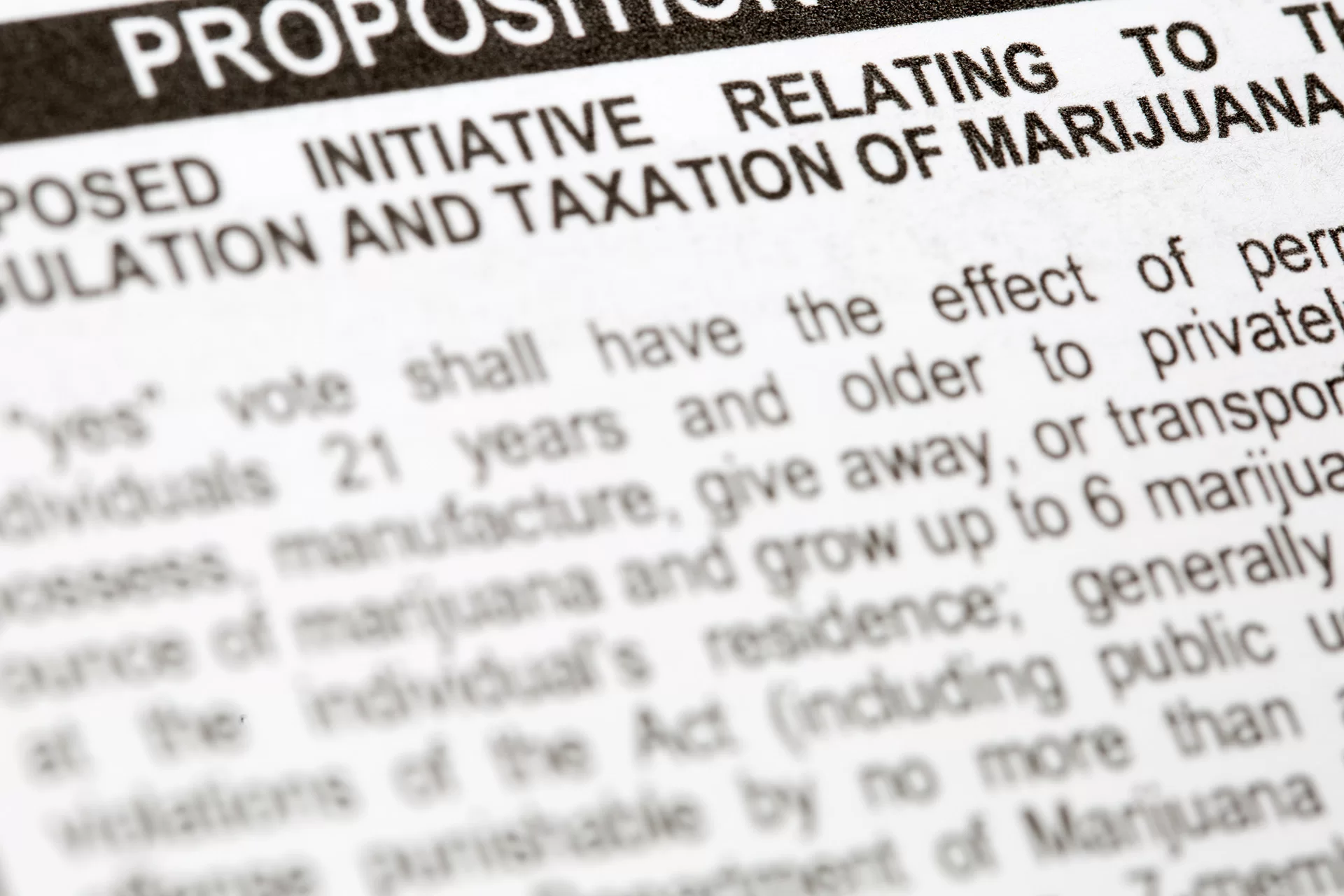
Missouri's marijuana laws may be due for a significant overhaul. In late 2020, Representative Shamed Dogan introduced a proposed constitutional amendment that would scrap the existing framework and replace it with something closer to how the state handles tobacco and alcohol. Depending on how the legislative process plays out, Missouri voters could have had the chance to weigh in as early as 2022.
Here's a plain-language look at what the proposal would actually do.
What the Smart and Safer Missouri Act Would Change
The core idea behind the Smart and Safer Missouri Act is straightforward: regulate cannabis the same way Missouri regulates alcohol and tobacco.
That means setting the purchase age at 21, removing marijuana from the state's controlled-substance list, and opening the door to both medical and recreational use under a single, simpler framework.
On the tax side, the bill would keep the existing 4% tax on medical marijuana and add a 12% tax on recreational purchases. Revenue from those taxes would be directed toward infrastructure, veterans' programs, and drug treatment services across the state - not a trivial amount of money if recreational sales take off the way they have in other states.
Criminal Records and Past Convictions
One of the more significant pieces of the proposal is what it would do for people already caught up in the legal system over marijuana.
The amendment would automatically expunge prior marijuana offenses and pardon individuals currently serving sentences for marijuana-related convictions. That's a meaningful change for a lot of Missouri residents, and it's worth paying attention to regardless of where you stand on broader legalization.
How the MORE Act Fits In
At the federal level, the MORE Act was also under review at the same time. That bill would remove marijuana from the federal government's controlled-substance list entirely.
Why does that matter? Currently, transporting marijuana across state lines and using marijuana while owning a firearm are both federal crimes - even if you're in a state where cannabis is legal. If the MORE Act were to pass the U.S. Senate, those federal conflicts would largely disappear, opening up a cleaner path for state-level programs like Missouri's proposed changes.
The two bills aren't formally linked, but they're complementary. One without the other still leaves some significant friction in place.
What Dogan Said About It
In an interview with Greenway Magazine, Representative Dogan described the proposal's intent plainly: increased personal freedom, less law enforcement focus on nonviolent cannabis users, and new revenue streams for the state.
Whether you agree with those priorities or not, it's a clearer rationale than most legislation gets credited for.
The Simple Version
A proposed Missouri constitutional amendment would regulate cannabis like alcohol - 21 and up, taxed, and removed from the controlled-substance list. It would also clear prior marijuana convictions automatically. If it had passed and the federal MORE Act had advanced alongside it, Missouri cannabis users would have faced far less legal uncertainty both in-state and federally. As of this writing, the proposal was still working through the process, and the final outcome remained in the hands of Missouri voters.
Need Urgent Care today?
We’re here to help — fast, affordable, and straightforward.