
How to Keep a Diet Diary That Actually Works
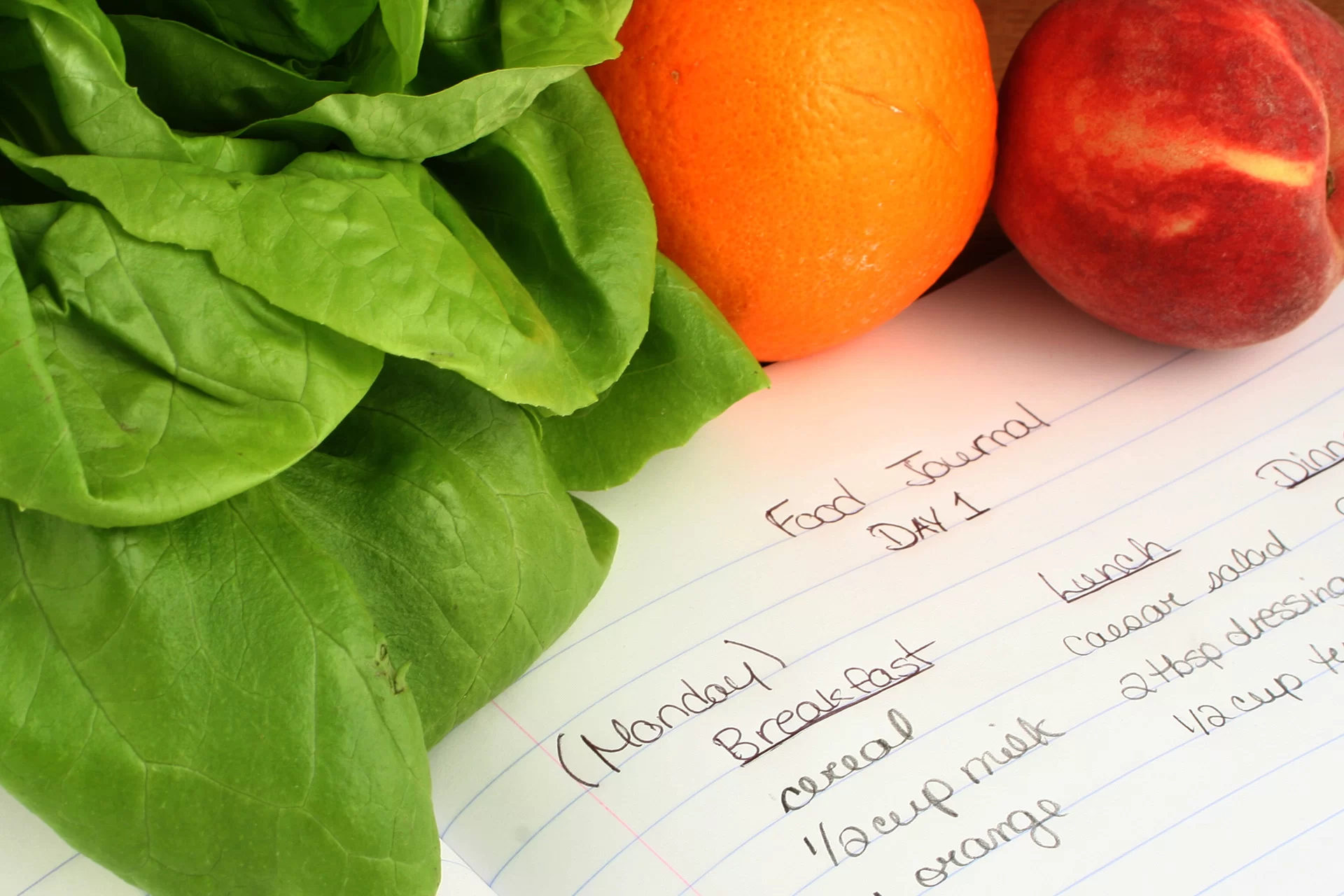
How to Keep a Diet Diary That Actually Works
A food journal is only useful if you use it consistently and honestly. Here's what that actually looks like in practice.
We've covered why keeping a diet journal matters. Now let's talk about how to make it genuinely useful - not just a list of meals you'll abandon by week two.
A food diary isn't just a calorie counter. Done well, it's a record of your habits, your mindset, and your real relationship with food. That self-awareness is what makes it a powerful tool for lasting change.
Step 1: Pick the Format You'll Actually Use
Paper journal, phone app, or private blog - it doesn't matter which you choose. What matters is that you'll actually use it every day.
If you like writing by hand, a small notebook you keep with you works well. If you're on your phone constantly anyway, a calorie-tracking app is a natural fit. Some people prefer writing a brief private blog where they can log thoughts alongside food choices.
The best format is the one with the least friction for your daily routine. A few solid options for mobile apps are reviewed at Verywell Fit.
Step 2: Build It Into Your Daily Routine
New habits don't stick without structure. Before you start logging, think about when in your day it makes the most sense to write things down.
Meal planners can map out their food at the start of the day and adjust as things change. If you eat more spontaneously, keep your journal close and log right before or after you eat - waiting until the end of the day means you'll forget things.
Struggling to keep up? Try writing down what's in front of you before you eat. That small pause forces a moment of awareness that can shift your choices.
Step 3: Log Everything - Including Drinks
The most common blind spot in food journaling is liquid calories. Coffee drinks, sodas, juice, alcohol - they add up fast, and most people dramatically underestimate them.
Be specific. If you're eating a mixed dish, list each component. If you had two drinks, write down both. Vague entries like "salad" or "some chips" aren't useful data.
One useful habit before reaching for a snack: ask yourself whether you're actually hungry, or whether you're thirsty, bored, or stressed. We frequently confuse thirst for hunger. A glass of water before snacking is a simple way to check.
Step 4: Pay Attention to How Food Makes You Feel
This is where a food diary becomes more than a calorie tracker.
As you log each meal or snack, note how it made you feel - physically and emotionally. Did it satisfy you, or did it leave you wanting more? Did you eat out of hunger, habit, or something else?
If you struggle with binge eating or emotional eating, writing about those urges and how you felt afterward is especially valuable. Patterns become visible over time. You start to see which foods genuinely fuel you and which ones you're reaching for as a substitute for dealing with something else.
The goal isn't guilt. It's awareness.
The Simple Version
Pick a format you'll stick with. Log everything - food, drinks, portions - as close to real time as possible. Include how you felt, not just what you ate. Over time, the patterns in your journal will tell you more about your eating habits than any diet plan ever could.
Need Urgent Care today?
We’re here to help — fast, affordable, and straightforward.