
Cannabis Indica: History, Appearance, and Medical Use Explained
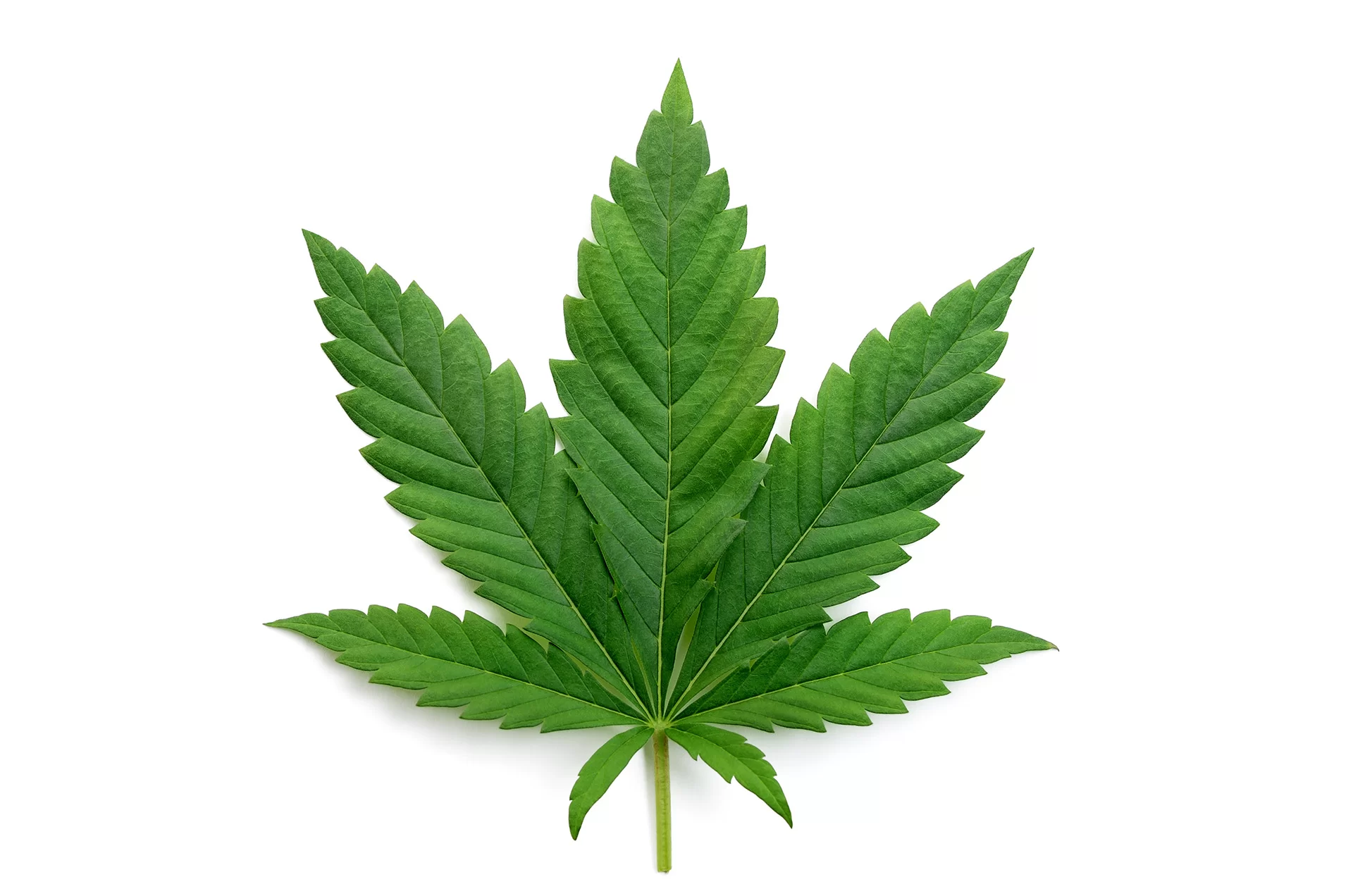
Cannabis Indica: History, Appearance, and Medical Use Explained
Indica is one of the oldest documented cannabis varieties - and for patients exploring medical marijuana, understanding what it is and how it works is a practical first step.
Cannabis has been cultivated for thousands of years across Central and South Asia. Indica, one of the primary cannabis varieties, is believed to have originated in the Hindu Kush mountain range - a harsh, dry environment that shaped its hardy, compact growth characteristics. It spread across the Indian subcontinent and into Central and Southern Asia, where it became a long-established crop used for fiber, food, and medicine.
Because cannabis is one of the oldest cultivated plants on record, tracing the exact origins of any specific strain is difficult. What we do know is that Indica has distinct, well-documented traits - both physical and chemical - that set it apart and make it useful for specific medical applications.
Appearance: How Indica Differs from Sativa
The classification of Indica and Sativa as separate species is still debated in botanical circles. That said, the two varieties do look noticeably different.
Sativa plants are tall with narrow leaves. Indica plants are shorter - typically more compact - with broader, wider leaves. In terms of chemical profile, wild (unselected) versions of both types tend to be higher in CBD than THC. Selective breeding has pushed THC levels up in many commercial strains. Hybrids - crosses between Indica and Sativa - are now the most common form of cannabis on the market, and their effects depend almost entirely on their specific chemical composition rather than which "type" they lean toward.
Medical Applications: What Indica Is Typically Used For
Indica-dominant strains are most commonly associated with full-body effects - muscle relaxation, pain relief, and sedation. This contrasts with Sativa-dominant strains, which tend to produce a more cerebral, energizing effect.
That said, the strain label alone doesn't tell you much about what a given product will actually do. The real drivers of effect are:
- Cannabinoids - primarily THC and CBD, and their ratio to each other
- Terpenes - aromatic compounds that influence how cannabinoids behave in the body
- Dose - smaller doses and larger doses of the same product can produce very different results
- Consumption method - inhaled cannabis acts faster and shorter than edibles
- Individual tolerance - someone with no prior cannabis use will respond very differently than a regular user
For patients dealing with nausea or appetite loss, higher-THC options tend to be more effective. For anxiety, seizures, or conditions requiring minimal intoxication, low-THC, high-CBD formulations are generally a better fit. Finding the right match for your condition is worth discussing with a provider who understands the available products.
Growing Indica
This section is primarily relevant for states where home cultivation is legally permitted.
Indica plants are well-suited for indoor growing. They stay manageable in size - usually under four feet - which makes them practical for limited spaces. Hybrid strains that are Indica-dominant tend to be more resilient and forgiving, making them a reasonable starting point for first-time growers. Common Indica-dominant varieties include Blueberry, White Rhino, and Sensi Star.
For detailed cultivation guidance, How to Grow Marijuana has a step-by-step resource specific to Indica strains.
Finding the Right Strain for Your Needs
Because most products on dispensary shelves are hybrids, choosing by strain name alone isn't the most reliable method. Look at the cannabinoid and terpene profile listed on the product instead.
Leafly's strain finder is a useful starting point for researching options before you visit a dispensary. But your best resource is a medical provider who can review your qualifying condition and help you narrow down what's likely to work.
The Simple Version
Indica is a compact, broad-leafed cannabis variety with origins in Central Asia. It's commonly associated with body-focused effects like pain relief and relaxation. But the strain name matters less than the actual chemical makeup of what you're using - specifically the THC-to-CBD ratio, terpene profile, dose, and how you consume it. If you're exploring medical marijuana for a qualifying condition, talking to a provider is the most direct path to finding what actually works for you.
If you'd like to learn more or get help obtaining your medical marijuana card, schedule an appointment with Joplin Urgent Care or call 417.782.4300.
Need Urgent Care today?
We’re here to help — fast, affordable, and straightforward.