
Forgetting Disinformation
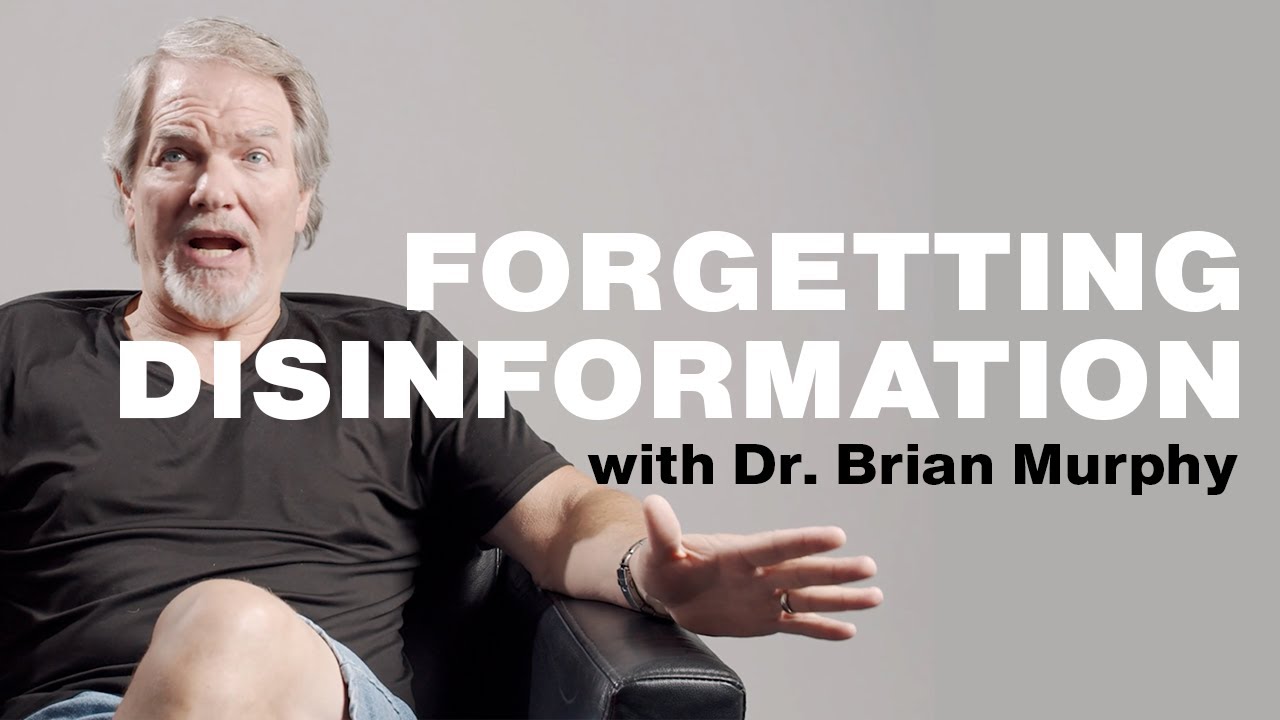
Why I Argue with Dietitians
The people who are supposed to know the most about weight loss are often working from the same bad information everyone else is.
One of the harder things to say out loud — because it sounds like professional arrogance, which is not the intent — is that a significant portion of what gets taught and repeated in the fitness and nutrition industry is wrong. Not outdated. Not oversimplified. Wrong in ways that actively work against people trying to lose weight.
I know this because I have these arguments regularly. With athletic trainers. With registered dietitians. Professionals with credentials and clients and years of practice.
The Test I Give
Here's a simple question I've put to a lot of fitness professionals over the years: what is a calorie?
Most can't answer it precisely. The ones who come closest usually describe it as "energy in food," which is true but doesn't explain how to apply it to anything. Ask them the difference between a caloric carbohydrate and a non-caloric carbohydrate — the structural distinction between sugar and fiber — and you'll typically get a blank stare or a confident wrong answer.
This is not a trivial gap. That distinction is the foundation of understanding why some foods contribute to weight gain and others don't. Sugar and fiber are chemically near-identical. Both are carbohydrates. But sugar gets absorbed. Fiber passes through. One moves the scale. The other doesn't.
If a professional advising people on weight loss doesn't understand this — and many don't — every recommendation they make downstream of that gap is built on a shaky foundation.
Why This Matters More Than It Seems
Most people who come to see me have already tried the conventional path. They've worked with a trainer. They've seen a dietitian. They've followed the advice they were given honestly and carefully, and it didn't work the way they were told it would.
The problem is rarely their commitment. The problem is often that they were working from bad information delivered by someone with a credential that made them trust it.
There's a lot of dangerous information out there about weight loss. Not dangerous in the way we usually mean the word — it won't put you in the hospital. Dangerous in the way that keeps people stuck for years, trying the same approaches in slightly different forms, never getting an honest accounting of why it isn't working.
That's the part that bothers me. The misinformation isn't neutral. It costs people time, money, and hope.
What Actually Has to Happen
Before we can build a plan that works, we have to clear the ground. That means identifying what you've been told that isn't true, why it isn't true, and what the accurate picture actually looks like.
That process can feel uncomfortable. People don't enjoy being told that the professional they trusted didn't have the right information. I understand that. But it has to happen, because you cannot build a working plan on a foundation of bad information. You can only fail on schedule.
The goal is to get you to the point where you know more about how your body handles food than most of the professionals you'll ever encounter. That's not an unrealistic bar. It's just a higher standard than what typically gets taught.
Need Urgent Care today?
We’re here to help — fast, affordable, and straightforward.