
Food Addiction
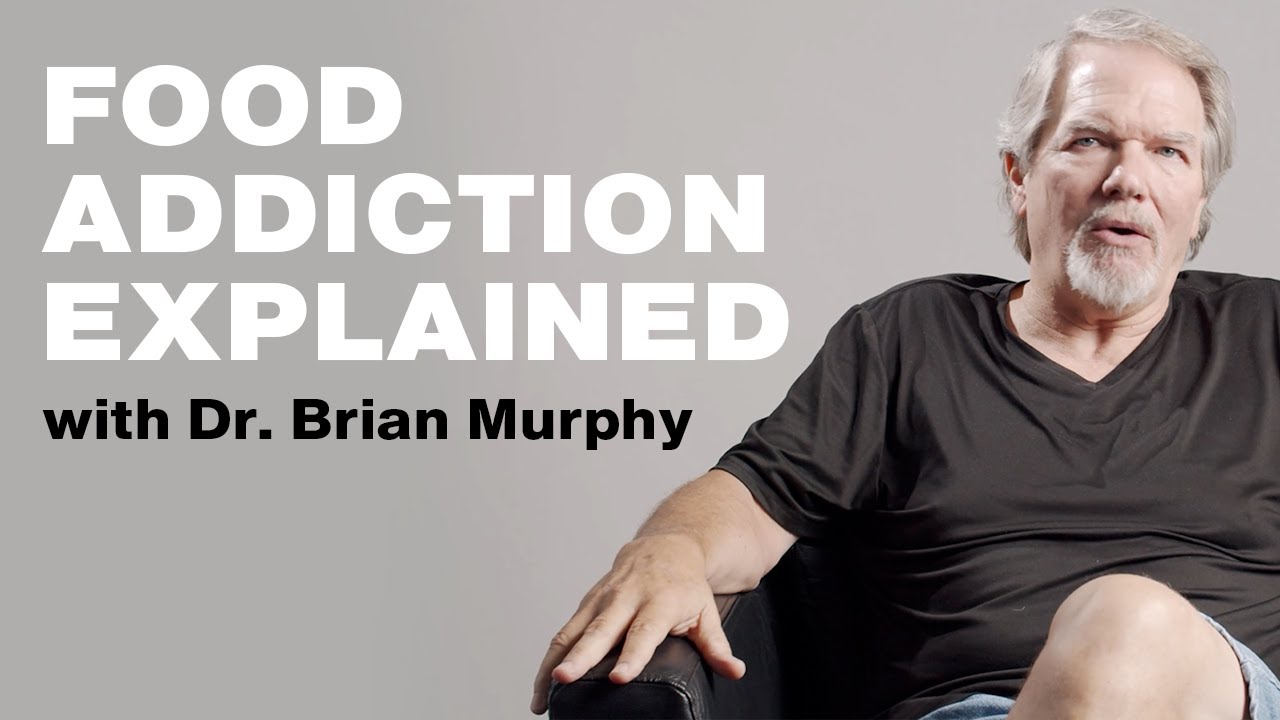
Breaking the Addiction Cycle
Food addiction follows the same neurological pathway as drug addiction. Understanding that is the first step to getting out.
When patients tell me they eat under stress — the cakes, the cookies, the sweet tea — they usually frame it as a personal weakness. A bad habit. Something they should be able to control.
It's not a personal weakness. It's brain chemistry. And once you understand what's actually happening, the path out of it becomes clearer.
What Happens in Your Brain
When you consume sugar or high fructose corn syrup, your brain releases dopamine. That's the same neurotransmitter involved in pleasure, reward, and motivation. The surge is real. You feel it as relief — as an "ah" moment, a loosening of whatever tension was building.
Then serotonin steps in. Serotonin is your brain's rationalization system. It tells you that you earned it, that you deserved it, that it's fine to do it again. The two systems together — dopamine delivering the hit, serotonin justifying the next one — are a powerful combination. And they don't care that you're trying to lose weight.
This is not a metaphor for why junk food is tempting. This is the actual neurological mechanism. The same pathway activated by opioids. The same pathway activated by stimulants. Sugar runs through it too — at a lower intensity, but through the exact same circuitry.
How One Becomes Ten
Addiction has a predictable escalation pattern regardless of the substance involved.
You start with one sugary drink. It delivers a dopamine surge, and the relief is genuine. One works.
Then one stops working the way it did. Your brain has recalibrated to expect that level of input. To get the same feeling, you need two. Then three. Over weeks or months, you need more of the same substance to reach the threshold that used to require less.
By the time a patient is drinking ten sodas a day, they're not doing it because they particularly love soda. They're doing it because ten is what it takes to get what one once delivered. And if you take it away, the brain notices. You go through withdrawal — irritability, cravings, a persistent sense that something is missing — because the dopamine and serotonin systems are looking for input they're no longer getting.
The Test That Proves It
Here's something that happens after patients have been off high fructose corn syrup for a year or two and make the mistake of trying just one.
They take a sip and the reaction is immediate: this is unbearably sweet. How did I ever drink this? How did I drink ten of these in a day?
The answer is tolerance. While you were consuming it daily, your brain adjusted its baseline to accommodate the volume. Once the addiction is broken and the baseline resets, the original substance tastes like what it actually is — an overwhelming concentration of sweetness that your palate would naturally reject.
That reaction is a useful reminder. It's proof that the craving you felt wasn't love for the drink. It was the addiction asking to be fed.
The One Advantage Humans Have
Here is something worth understanding about addiction science: in laboratory animals — rats, mice, primates — addiction is generally terminal. Once dependent, they will continue consuming a substance until it kills them. They cannot reason their way out of it. The brain's survival mechanisms eventually get overridden entirely by the craving.
Humans are different. Not because we're stronger, but because we have access to something animals don't: reason. The capacity to recognize what's happening, to understand why it's happening, and to make a deliberate decision to stop — even when every neurochemical signal is telling you to keep going.
That capacity is what makes recovery possible. It doesn't make it easy. The pull of addiction is real, and some people need medical help to get over the initial withdrawal. But the mechanism for getting out exists in every person who walks through my door. It's just a question of activating it.
Getting Off It
If this describes you — if there's a substance, a food, a drink that you reach for under stress, that you've needed more and more of, that you've tried to stop and couldn't — that's what we work on.
I'll explain exactly what's happening in your body. I'll help you build a plan to get off it. There are medications that can ease the withdrawal and reduce the craving while your brain recalibrates. And I'll be there through the process.
The cycle is breakable. That's the point.
Need Urgent Care today?
We’re here to help — fast, affordable, and straightforward.