
Complications of Surgery
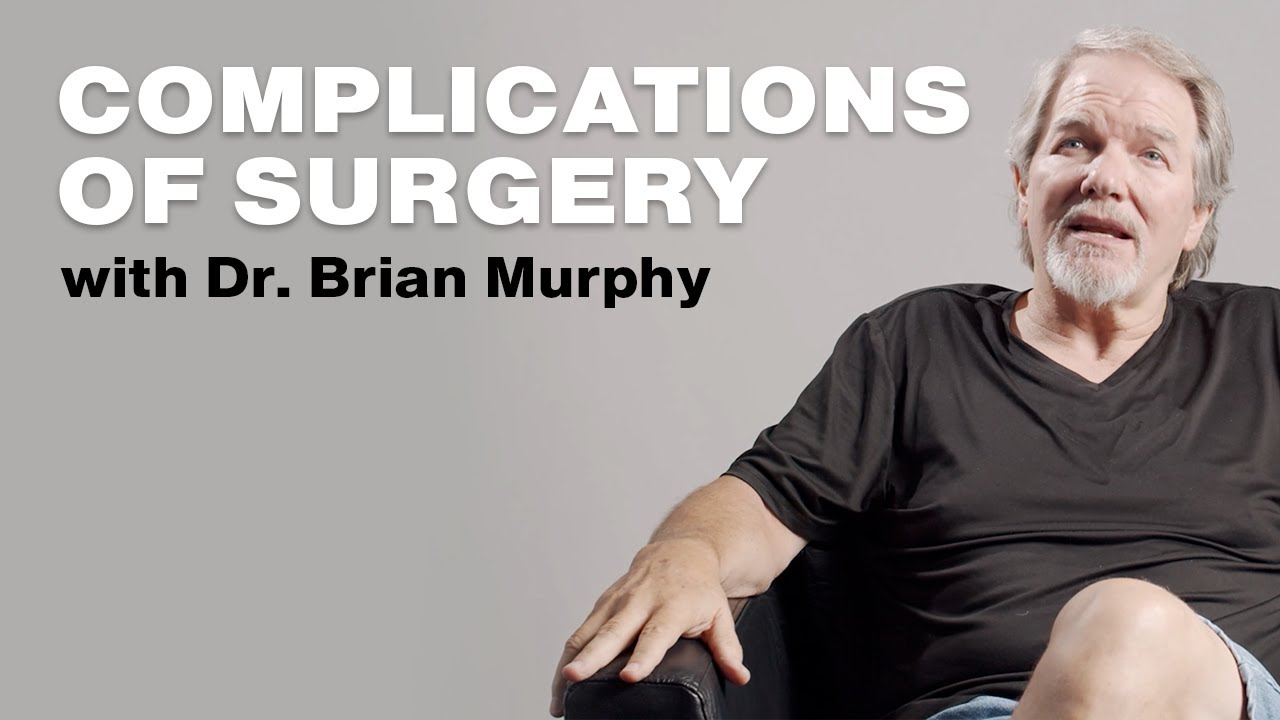
Before You Commit to Surgery
Most weight loss surgeries can't be reversed. Here's what you'll be living with afterward — and what your surgeon may not have mentioned.
Surgery is a legitimate option for weight loss. I'm not opposed to it categorically, and for some patients it's an appropriate path. But it's a permanent path for the vast majority of procedures performed today, and the downstream consequences deserve a clear-eyed conversation before anyone commits.
That conversation doesn't always happen.
The Deficiencies Nobody Warns You About
Here is a universal truth about weight loss surgery: you will develop B12 deficiency and iron deficiency anemia. Not possibly. Not in some patients. In all patients, to varying degrees.
Your stomach processes nutrients. When a significant portion of it is removed or bypassed, your ability to absorb certain vitamins and minerals is permanently impaired. B12 and iron are consistently affected. This isn't a rare complication — it's a predictable outcome of altering the digestive tract.
When I ask patients whether their surgeon discussed this with them, the most common answer I hear is some version of: "They said my primary care doctor would handle that."
You are about to have an irreversible procedure that will create a permanent nutritional management problem — and the solution offered is to outsource it to someone else. That's worth knowing before you sign the consent form.
What Managing Iron Deficiency Actually Looks Like
Iron deficiency anemia is not a simple fix. The standard treatment is oral iron supplementation — but oral iron is highly irritating to the gastrointestinal tract. Nausea, stomach pain, and digestive distress are common, and they can persist for months at a time. For patients whose stomach anatomy has already been surgically altered, that irritation is often significantly worse.
The alternative for patients who can't tolerate oral iron is IV iron infusion — a procedure where iron is delivered directly into a vein over several hours, typically required every three to four years. It works. But it's a medical procedure you'll need to schedule, arrange, and sit through for the rest of your life.
Neither option is a trivial inconvenience.
The Absorption Problem
Here's something that affects more than just vitamins: after stomach surgery, many medications don't absorb the way they're supposed to.
Extended-release formulations often fail entirely — the drug passes through too quickly for the slow-release mechanism to work. Certain medications cause increased nausea in post-surgical patients. Some medications that were previously tolerated become difficult to take at all. If you develop a new health condition later in life and need medication for it, you may find that the standard treatments don't work the same way for you — and that managing the problem requires adjustments your prescribing physician may not anticipate.
Dumping Syndrome and Gallbladder Problems
Two more things you should ask about before proceeding.
Dumping syndrome occurs when food moves too quickly from the stomach into the small intestine. Symptoms include nausea, cramping, diarrhea, dizziness, and rapid heartbeat — often triggered within minutes of eating. It's a known consequence of several bariatric procedures and can range from occasional inconvenience to a significant daily disruption.
Rapid weight loss after bariatric surgery also substantially increases the risk of gallstones. The gallbladder doesn't handle the metabolic shift well, and gallstone formation — sometimes requiring gallbladder removal — is a documented complication that can occur in the months following surgery.
Why I Prefer Reversible
My preference as a physician is for interventions I can stop, adjust, and reevaluate as I learn more about what a patient needs. Medications can be changed. Doses can be modified. If something isn't working or creates a new problem, we can change course.
Surgery is permanent. The anatomy is altered. If something goes wrong — or if your needs change 10 years later — the options for addressing it are limited.
That doesn't mean surgery is the wrong choice for everyone. It means the decision should be made with a full accounting of what you're agreeing to. Not just the weight you stand to lose, but the conditions you'll be managing for the rest of your life in exchange for it.
Do your homework before you commit to something you can't undo.
Need Urgent Care today?
We’re here to help — fast, affordable, and straightforward.