
Committing to Surgery Isn't Long-Term
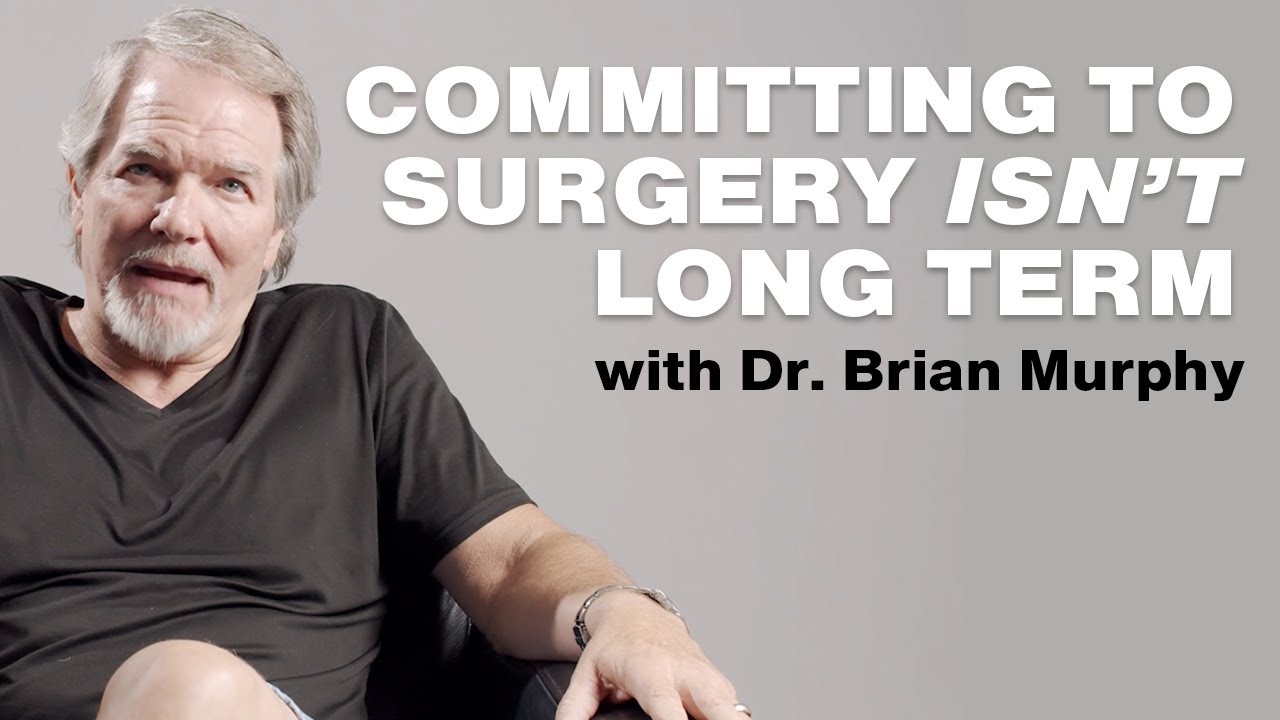
What Weight Loss Surgery Can't Fix
The stomach gets smaller. The knowledge gap doesn't.
I know people who have had weight loss surgery and gained every pound back — and then some.
This isn't a criticism of bariatric surgery as a procedure. For some patients, it's an appropriate intervention. What I'm critical of is how it gets presented and what happens — or doesn't happen — after the operating room.
The Conversation That Often Doesn't Happen
In my observation, a significant number of surgeons who perform weight loss procedures don't spend meaningful time with their patients on the things that determine whether the surgery holds.
Calories. Food choices. What to expect from the surgery and what not to expect. How to maintain the weight loss once the stomach has healed and hunger starts returning. The long-term behavior changes required to keep the weight off permanently.
They do the surgery and move on. "There you go. You're fixed."
You're not fixed. You're at the beginning of a road that the surgery alone cannot walk for you.
What the Surgery Actually Does
Bariatric surgery reduces the stomach's capacity. How much weight you lose depends on how small the stomach is made and — crucially — what you choose to eat going forward.
A smaller stomach still absorbs whatever goes into it. A patient who drinks sugary beverages, eats calorically dense foods in small frequent amounts, or gradually stretches their reduced stomach over time can regain everything they lost. And many do.
The surgery addresses volume. It doesn't address knowledge. It doesn't address the habits, the food choices, the understanding of what caused the weight in the first place. If those things don't change, the outcome doesn't hold.
The Commitment That Actually Matters
Getting bariatric surgery requires a significant commitment — the decision, the preparation, the procedure, the recovery. Patients go through real physical and logistical difficulty to get there.
But the commitment that determines the outcome is the one that comes after: the long-term, daily, decades-long commitment to eating differently, understanding what your body needs, and maintaining the result.
That's the commitment a lot of people don't fully reckon with before the surgery. And it's the one their surgeon may not have been honest with them about.
The Part That Applies to Everyone
Whether you're considering surgery, using appetite medication, or just trying to change your habits — the math is the same. Knowledge of what you're eating, what it costs your body, and what behaviors are required to maintain a healthy weight doesn't come automatically from any procedure or program.
It has to be learned. And it has to be applied for the rest of your life.
That's what I spend my time teaching. Not because it's the answer to every situation — but because without it, nothing else holds.
Need Urgent Care today?
We’re here to help — fast, affordable, and straightforward.