
Cannabis Sativa: Origins, Plant Characteristics, and Medical Uses
Cannabis Sativa: Origins, Plant Characteristics, and Medical Uses
Sativa is one of the most widely used medicinal cannabis strains - but most people only know half the story. Here's a complete look at where it comes from, what makes it distinct, and when it's actually useful.
This is the first in a two-part series breaking down the two primary medicinal cannabis strains - Sativa and Indica. If you're trying to figure out which strain fits your medical needs, understanding their differences is a practical place to start.
Where Sativa Comes From
Cannabis has a long history as a medicinal plant. Early China is among the first documented regions to use it therapeutically, with records dating back to around 2700 BC. The book Marihuana: The First Twelve Thousand Years places cannabis among the oldest cultivated crops on record, with origins in Central Asia.
Over centuries of trade and migration, cannabis seeds spread across the globe and adapted to local climates. Today, pure Sativa strains are found growing naturally in equatorial regions - Thailand, Cambodia, Vietnam, Jamaica, South Africa, Colombia, and Brazil. The warm, humid conditions in these areas suit the plant's biology well.
What Sativa Looks Like
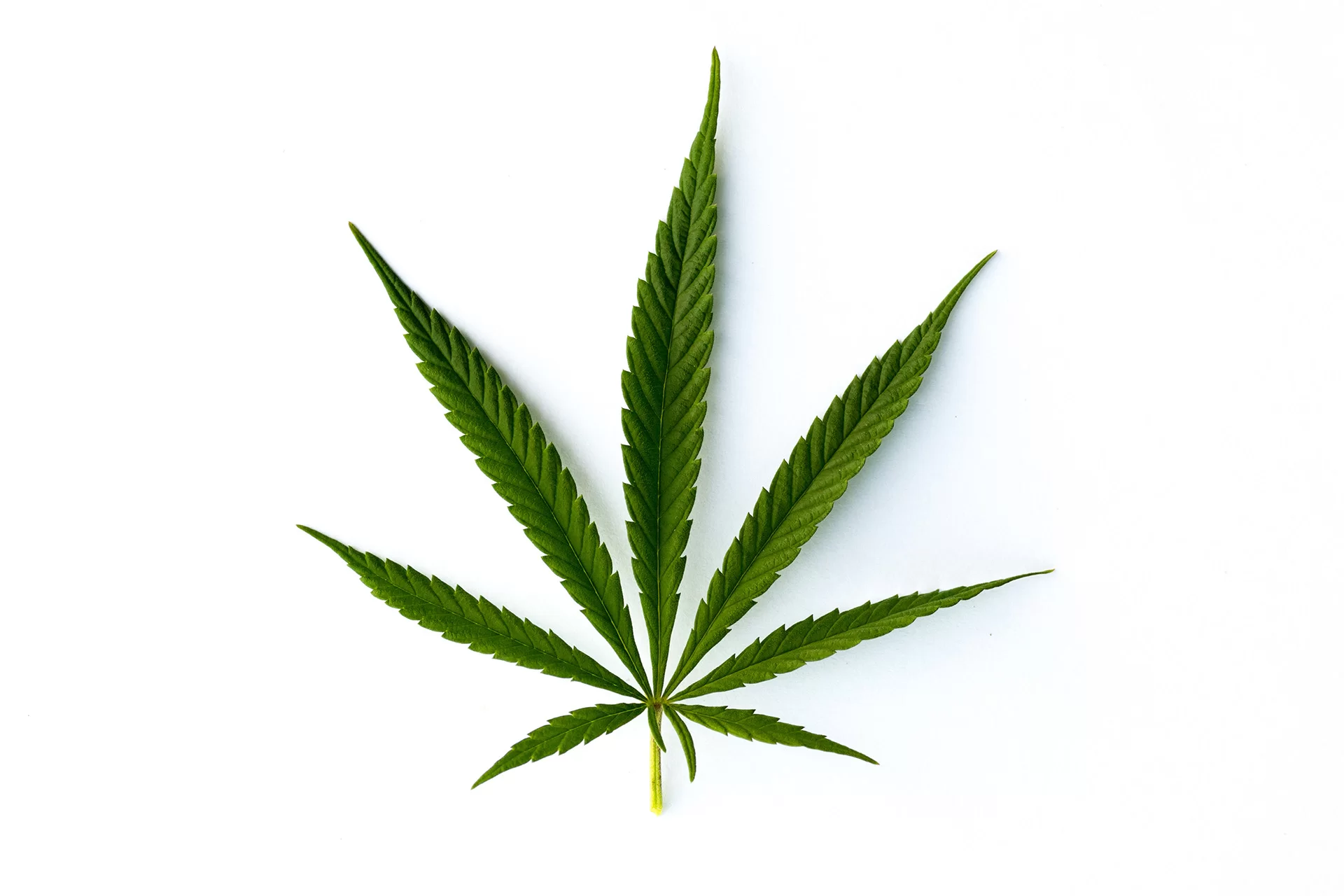
If you've ever seen an image of a cannabis plant with tall, thin, delicate leaves, that's likely Sativa. It grows differently from Indica - where Indica tends to be shorter and bushier, Sativa is tall, narrow, and slow to mature. It can reach over 12 feet in height.
Sativa thrives in hot, dry climates and generally produces larger yields than Indica when grown outdoors with room to spread. It can be grown indoors, but it requires more planning given its height and growth rate.
What's Actually in Sativa
THC gets most of the attention when people talk about Sativa, and for good reason - Sativa strains do tend to have high THC concentrations, which accounts for their well-known psychoactive effects.
But the chemistry goes deeper than THC and CBD. Cannabis also contains phytocannabinoids, terpenes, flavonoids (including cannaflavins - a class of flavonoids unique to cannabis), and omega-3 and omega-6 fatty acids. Phytocannabinoids have been studied for their potential role in managing chronic inflammation, chronic pain, mood disorders, and autoimmune conditions.
Terpenes and flavonoids are particularly worth understanding. The combination of these compounds influences not just the flavor and aroma of a strain, but also its overall effect on the body. One terpene-flavonoid combination might produce clarity and focus; another might lean sedating. This is part of why two Sativa strains can feel noticeably different from each other.
What Sativa Is Commonly Used For
Sativa is generally associated with uplifting, energizing effects rather than sedation - which is why it tends to be recommended for daytime use.
Conditions it's commonly used to address include:
- Fatigue
- Stress and anxiety
- Depression
- PTSD
- Headaches
- Acute pain
- Mental fog and difficulty concentrating
That said, strain selection matters. Not every Sativa hits the same way. The specific cannabinoid and terpene profile of a given strain affects outcomes meaningfully. If you're using medical cannabis for a specific condition, it's worth working with a provider or pharmacist who can help you match a strain to your situation rather than just picking a general category.
The Simple Version
Sativa originated in equatorial regions of Central Asia and has been used medicinally for thousands of years. It's tall, slow-growing, and thrives in warm climates. Its high THC content is well known, but the broader chemistry - terpenes, flavonoids, phytocannabinoids - is what really determines how a strain affects you. Sativa is generally the go-to for daytime use, energy, focus, and mood-related conditions. Part two of this series will cover Indica strains in the same depth.
Need Urgent Care today?
We’re here to help — fast, affordable, and straightforward.